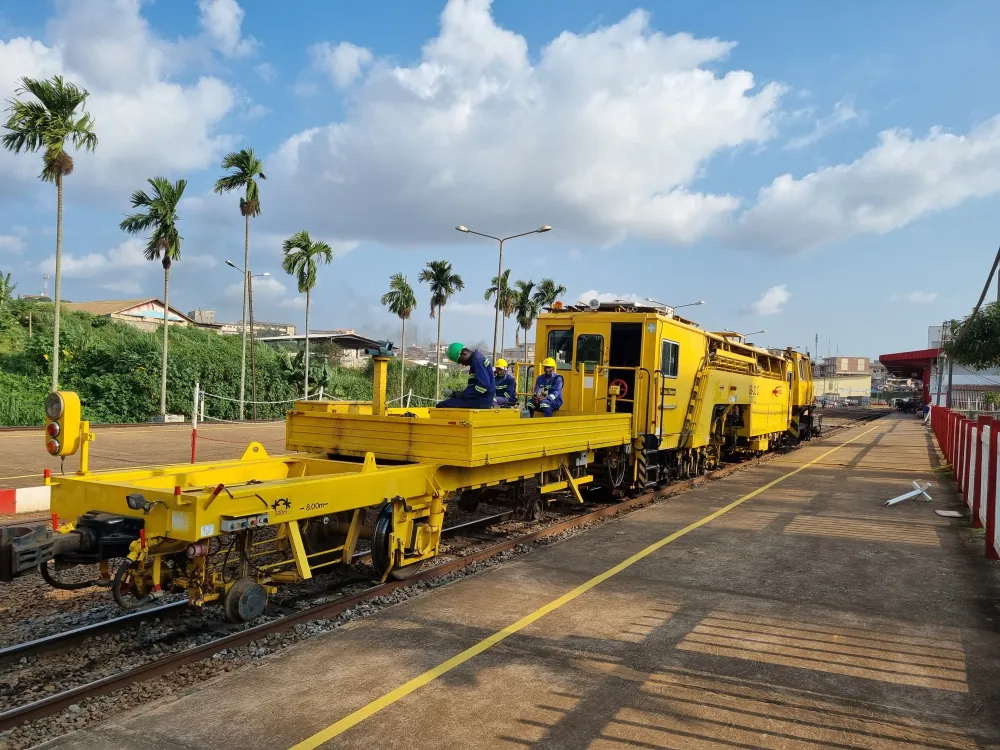
Transport software development to structure logistics operations
Transport activities rely on flows, equipment and field operations. Companies need to organise these elements to monitor their operations and ensure service continuity. Transport software helps structure data related to vehicles, routes and resources. Teams use this tool to monitor operations, plan assignments and centralise information.
Digital solutions simplify logistics flow management, movement tracking and coordination between teams. Companies therefore benefit from a system tailored to their operational constraints.
Pepps, your partner for transport software development
Pepps supports companies in the development of transport software solutions. The company analyses business processes and identifies the needs related to logistics operations and field data.
The teams design applications tailored to the constraints of the transport sector. These solutions facilitate fleet management, data collection and operational monitoring.
The tools developed integrate seamlessly into the existing environment and enable consistent information management.
Transport companies manage flows, vehicles and field operations. These elements require precise organisation and efficient information sharing.
Digitalisation helps structure data related to routes, resources and operations. Teams can access information in real time and continuously monitor activities.
It enables:
- Centralisation of transport data
- Monitoring of operations and deliveries
- Reduction of errors linked to manual data entry
- Fast access to operational information
Teams benefit from a clear overview of flows and operational activities.
Every company has its own constraints related to flows, infrastructure and business rules. Standard software does not always take these specific requirements into account.
Custom transport software makes it possible to integrate internal processes and operational constraints into a single tool. Teams benefit from a solution tailored to their day-to-day operations.
A customised solution enables:
- Integration of logistics processes
- Consideration of field and operational constraints
- Structuring of transport flows
- Scalable functionalities based on evolving needs
Companies therefore rely on a tool fully aligned with their operational activities.
Delivery monitoring relies on the collection and updating of field data. Teams need access to information related to routes and delivery statuses.
Transport software centralises this data and enables real-time access. Users can monitor deliveries and quickly identify discrepancies.
These solutions enable:
- Tracking of delivery statuses
- Real-time feedback from field operations
- Route visualisation
- Access to operational history and records
Managers benefit from a global overview of delivery operations.
Fleet management requires monitoring vehicles, equipment and operational interventions. Companies need to organise this information to maintain operational continuity.
Transport software centralises data related to vehicles and resources. Teams can monitor equipment status and schedule maintenance or operational interventions.
Features may include:
- Vehicle tracking
- Equipment management
- Maintenance scheduling
- Intervention and maintenance history
All data remains accessible within a single centralised system.
Route planning directly impacts operational performance. Companies need to organise journeys according to field and operational constraints.
Transport software helps structure routes and adjust journeys based on available data. Teams can plan operations in a more consistent and efficient way.
These solutions enable:
- Route planning
- Route and schedule adjustments
- Consideration of operational constraints
- Analysis of completed journeys
Companies can therefore improve the organisation and management of their transport flows.
Companies use multiple tools to manage their operations. Data flows between different systems and platforms.
Transport software must integrate into this environment to ensure data consistency across all operations. Applications connect with existing tools and infrastructures.
Integrations may include:
- ERP systems
- Databases
- Logistics tools
- Analytics platforms
Information remains synchronised across all systems.
Values applied to every transport software project
Pepps places business needs at the core of every project. Teams work closely with users to design tools tailored to transport operations and day-to-day activities. This approach facilitates the integration of solutions into the existing working environment.

What is transport software used for?
Transport software helps structure the management of logistics operations and operational data. Companies use this tool to organise their activities and improve operational monitoring.
These applications enable:
- Transport flow management
- Vehicle tracking
- Collection of field data
- Route planning
- Performance analysis
Teams benefit from a global overview of operations.
Success factors for a transport software project
A transport software project requires careful preparation. Teams must clearly define business needs and structure operational processes. Several factors influence the success of the project:
- Understanding logistics operations
- Defining project objectives
- Integration with existing systems
- Involvement of end users
- Implication des utilisateurs

A precise framework for transport operations
The scoping phase helps identify operational flows and data structures. Teams analyse activities related to routes, resources and logistics operations. This step makes it possible to define the functionalities of the transport software.
The scoping process is based on:
- Analysis of existing processes
- Identification of data flows
- Definition of functional requirements
- Prioritisation of field and operational use cases

An architecture tailored to the information system
Companies use various tools to manage their data. Transport software must integrate seamlessly into this existing environment.
It can connect to:
- ERP systems
- Databases
- Logistics tools
- Analytics platforms
This architecture ensures consistency across the entire information system.

Adoption supported by user-friendly interfaces
Users need to work with tools in a simple and efficient way. Interfaces must be adapted to operational and field requirements.
The solutions prioritise:
- Clear navigation
- Fast data entry
- Easy access to operational data
These elements simplify day-to-day use and improve user adoption.